Biometric Trends Shaping Access to Mobile Casino Applications in the UK
Written by Greta Hayes · Jul 8, 2026
Biometric Trends Shaping Access to Mobile Casino Applications in the UK
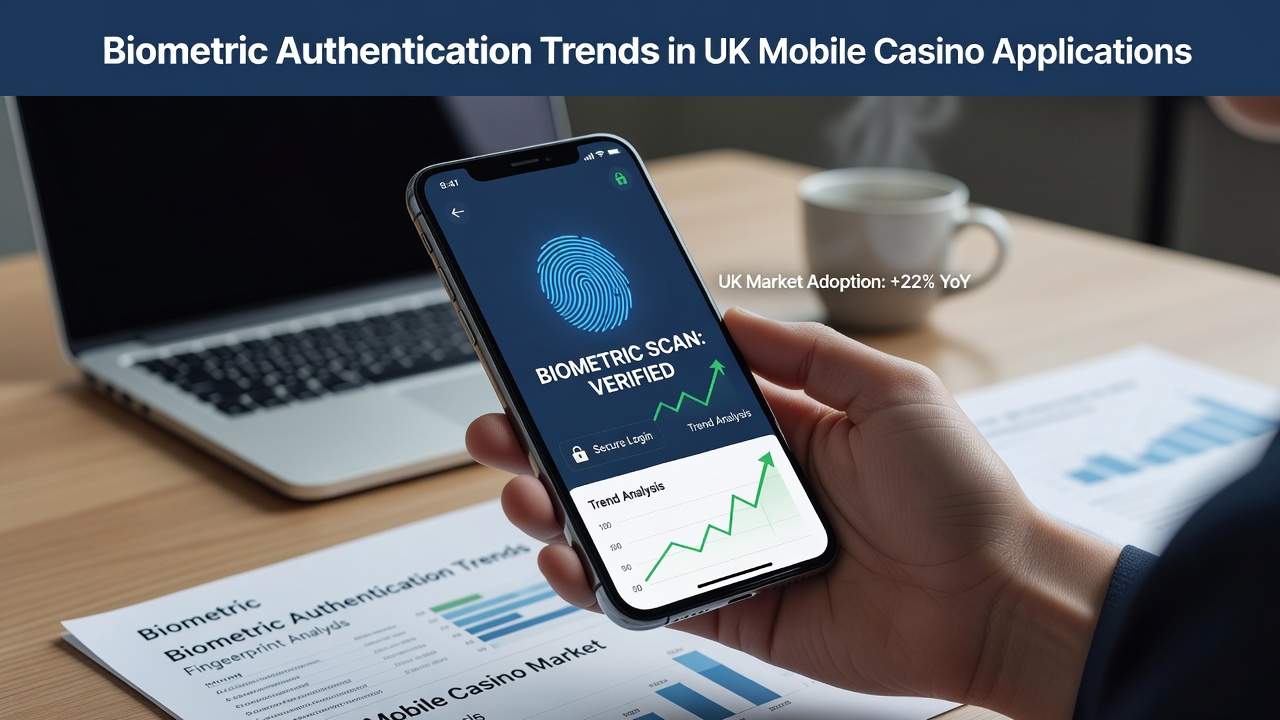
Biometric authentication has moved from niche feature to standard practice across many UK mobile casino platforms as operators respond to rising demands for both security and speed during login sequences. Research indicates that fingerprint scanning along with facial recognition now appears in a growing share of applications available to British users while voice and iris methods remain less common yet show incremental testing in select environments. Data from industry monitoring groups reveals adoption rates climbed steadily through 2025 and continued into July 2026 with several major operators integrating multiple biometric layers to reduce reliance on traditional passwords.
Core Biometric Methods in Current Use
Fingerprint readers dominate because most modern smartphones already include the hardware and users find the process quick during daily sessions. Facial recognition follows closely since devices equipped with advanced cameras support it without extra peripherals and studies show accuracy rates improved after algorithm refinements rolled out in late 2025. Observers note that some platforms combine these two approaches so players can choose whichever feels more convenient while still meeting verification standards set by payment processors and device manufacturers.
Voice biometrics appear mainly in customer support flows rather than core gameplay access yet researchers have tracked pilot programs that let users confirm withdrawals through short spoken phrases. Iris scanning stays rare in the UK market because fewer consumer phones include the necessary sensors though hardware upgrades expected later in 2026 could change availability. Those who have examined deployment patterns point out that hybrid systems often deliver the strongest fraud resistance since they require two separate biometric checks before granting entry.
Adoption Patterns and Usage Data
Figures released by independent analytics firms show that roughly sixty percent of leading UK casino apps offered at least one biometric option by early 2026 compared with forty percent the previous year. The increase aligns with broader smartphone penetration rates and with security updates pushed by both Android and iOS ecosystems. People who monitor transaction logs report fewer account takeover attempts on platforms that enforce biometric defaults while session lengths remain stable because the login step takes only seconds instead of requiring typed credentials.
Regional differences emerge when operators compare urban versus rural user bases since device age varies and older handsets sometimes lack updated sensors. Yet overall the trend points toward wider rollout because software updates now push biometric prompts automatically during account setup. A report from the National Institute of Standards and Technology highlights how template protection techniques help keep stored biometric data secure even if devices face compromise and several UK developers have adopted similar encryption practices.
Security and Compliance Considerations
Biometric templates typically stay on the device rather than traveling to central servers which reduces exposure during data transfers. Developers integrate liveness detection so static images or recordings cannot fool the system and this step has become standard following earlier incidents involving spoofing attempts. Those who have reviewed compliance documentation note that operators must still maintain fallback password systems for users whose biometrics fail due to injury or hardware issues.

External audits conducted by third-party labs examine false acceptance and false rejection rates on a regular schedule. Data indicates that facial systems improved markedly after machine learning updates in 2025 while fingerprint performance stayed consistent across different phone models. One case study from a mid-sized operator revealed that switching to mandatory biometric checks cut support tickets related to forgotten passwords by over half within three months.
Challenges and Technical Limitations
Device fragmentation creates occasional friction because not every handset supports the newest biometric standards and users with legacy phones sometimes encounter compatibility warnings. Accessibility requirements also influence design choices since some players need alternative verification routes when biometrics prove unreliable due to medical conditions or environmental factors like bright sunlight affecting cameras. Researchers continue to test adaptive thresholds that adjust sensitivity based on context such as location or time of day.
Privacy expectations remain high among British users so operators publish clear explanations of how biometric data stays encrypted and deletable on request. European data protection frameworks influence these disclosures even though the UK operates under its own rules and companies often align policies to avoid extra friction during cross-border operations. What's interesting is that transparency around data handling correlates with higher opt-in rates according to surveys conducted across several apps.
Future Developments Expected by Late 2026
Hardware improvements arriving with new phone releases should expand iris and vein pattern options while software refinements aim to lower error rates further. Industry groups such as the European Gaming and Betting Association track these changes and publish periodic updates on member adoption. Observers expect multi-factor biometric combinations to become default settings because they balance convenience against evolving threat models without adding noticeable delays.
Conclusion
Biometric authentication continues to reshape login experiences across UK mobile casino applications as operators integrate fingerprint and facial methods at increasing rates. Data collected through mid-2026 demonstrates measurable reductions in certain security incidents alongside sustained user engagement. Technical and regulatory factors will shape the next phase of development yet current patterns show steady movement toward device-native verification as the primary access method.