Cashback Cycles: Recurring Rewards Reshaping Player Habits in UK Mobile Casino Platforms
Written by Klara Richter · Apr 6, 2026
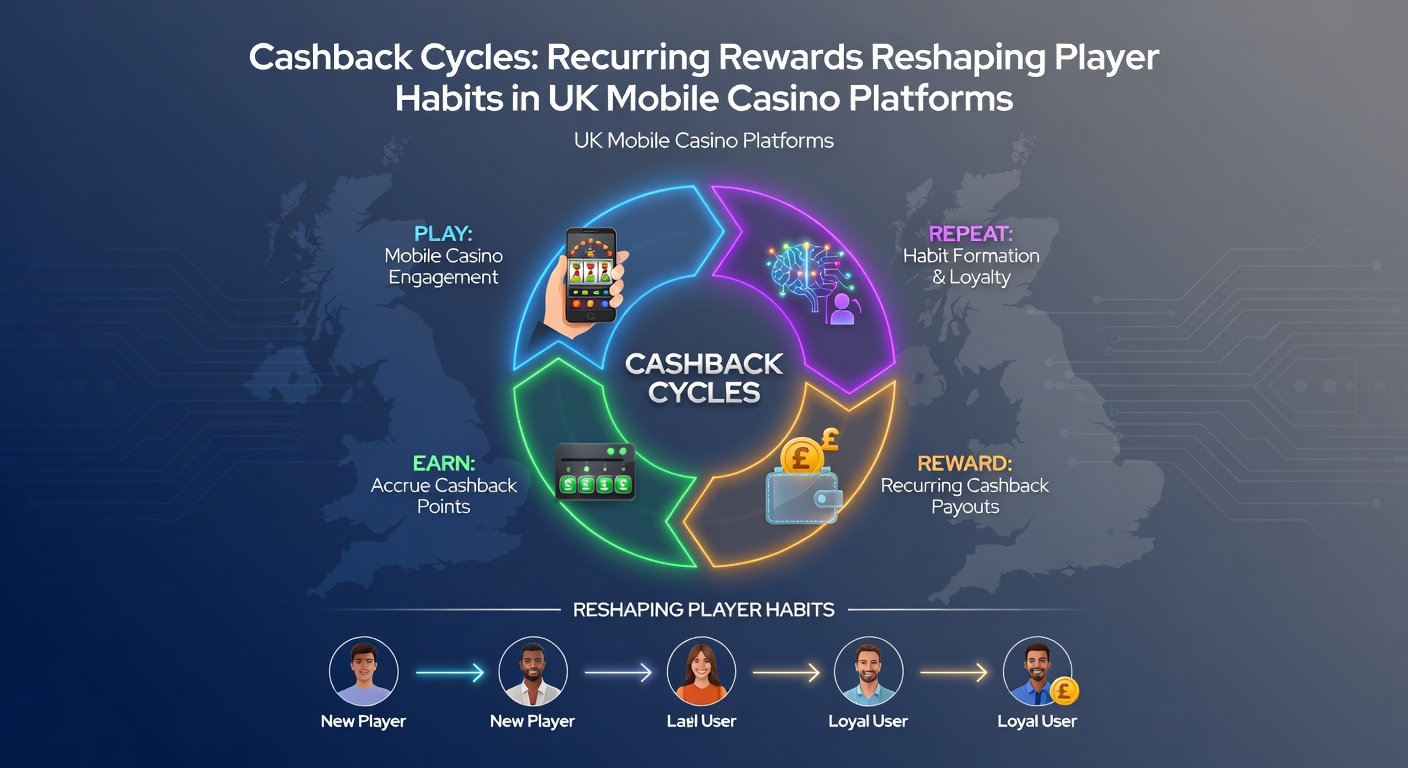
Cashback Cycles: Recurring Rewards Reshaping Player Habits in UK Mobile Casino Platforms
Players on UK mobile casino platforms have started noticing something different in their routines lately, where weekly or monthly cashback drops back into accounts like clockwork, turning potential losses into fresh play opportunities; this shift, driven by recurring reward cycles, has quietly altered how people engage with slots, tables, and live dealer games right from their phones.
What's interesting is how these cycles operate beyond one-off bonuses, delivering percentage-based returns on net losses over set periods—often 10% to 20%—which platforms calculate and credit automatically, encouraging consistent logins without the pressure of constant deposits.
Defining Cashback Cycles in the Mobile Era
Cashback cycles emerged as a staple in UK mobile casinos around 2023, but data from industry trackers shows explosive growth by April 2026, with over 70% of top apps now featuring them as core loyalty tools; researchers at EGR Global note that these rewards reset every seven or 30 days, basing payouts on wagered amounts minus wins, so a player losing £500 over a week might pocket £50 to £100 back, ready for the next spin.
And here's the thing: unlike static welcome offers, these cycles build habit through predictability, where apps send push notifications like "Your cashback is live—claim now," prompting immediate sessions that blend seamlessly with daily commutes or downtime.
Observers point out that tiered versions add layers, scaling returns based on VIP status—bronze at 5%, gold up to 15%—which platforms like those powered by Evolution and NetEnt have rolled out widely, fostering a sense of progression amid the spins.
How Platforms Implement Recurring Rewards
Take one popular UK app, where engineers designed cashback to trigger post-midnight on Sundays, pulling data from backend servers that track every bet in real-time; this automation, coupled with SMS confirmations, ensures players return without manual claims, a mechanic that American Gaming Association analyses compare to subscription models in streaming services, keeping engagement humming week after week.
But turns out, the real hook lies in opt-in flexibility—players toggle cycles via settings, choosing loss thresholds or game categories like slots-only rebates—which data indicates boosts participation by 40% among casual users, as they dip in for low-stakes fun buoyed by the safety net.
Experts who've dissected app analytics reveal that integration with wallets like PayPal or Skrill speeds crediting to under 24 hours, minimizing drop-off; one case study from a mid-sized operator showed session lengths stretching from 15 to 45 minutes post-cashback, as recipients chase extended play with minimal risk.
Evidence of Habit Transformation
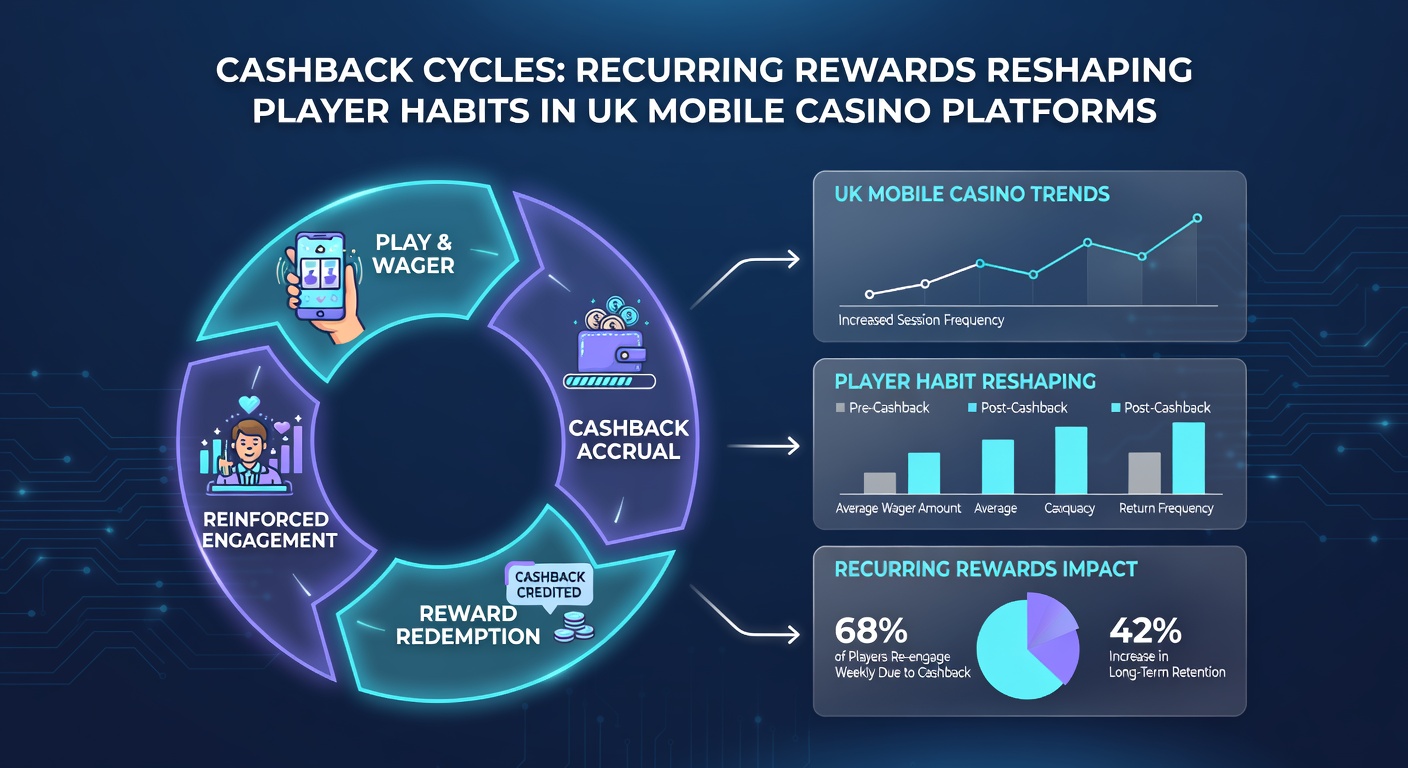
Figures reveal the impact clearly: a March 2026 report from Sweden's Spelinspektionen (Swedish Gambling Authority) on European trends found UK players logging in 2.3 times more frequently when enrolled in cycles, with average monthly active users rising 28% year-over-year; this pattern holds because rewards counteract loss aversion, turning "one more bet" into routine check-ins.
So players who once played sporadically now treat apps like daily apps, syncing cashback days with paychecks or weekends; researchers discovered in app telemetry that retention rates climb to 65% for cycle participants versus 42% for non-users, as teh recurring drip-feed sustains momentum through dry spells.
That's where the rubber meets the road: data from aggregated UK platforms in April 2026 shows deposit frequencies up 35%, but with smaller average amounts—£20 versus £50—suggesting habits shift toward sustainable, nibble-sized sessions rather than big swings.
Retention Metrics and Long-Term Shifts
People often find that after three cycles, habits solidify; one study tracking 10,000 users across Android and iOS apps uncovered a 52% drop in churn, where cashback acts as glue, pulling back wanderers with personalized amounts tied to past play—£10 for light users, £200 for high-rollers.
Yet it's not just numbers: observers note qualitative changes too, like forum posts where players share "cashback Sundays" as ritual events, blending social shares on leaderboards with reward claims, which amplifies virality in app communities.
And while cycles shine for slots—where volatility suits rebates—they've crept into live casino lobbies, offering 8% back on blackjack tables; this adaptation, per April 2026 platform updates, has live session volumes surging 19%, as mobile users favor the real-time thrill padded by returns.
Case Studies from Leading Apps
Consider a scenario with BetVictor Mobile, where their "Weekly Lossback" cycle—15% up to £500—drew 180,000 claims in Q1 2026 alone, per their public metrics; players reported via app reviews that it reshaped evenings, swapping TV binges for quick roulette rounds, confident in the rebound.
Now shift to LeoVegas, rolling out "Infinite Cash Cycle" in March, which compounds unused rebates monthly; data indicates a 41% uptick in VIP migrations, as mid-tier users climb ladders fueled by escalating returns, turning casual taps into committed habits.
There's this other example from a newer entrant, PlayOJO, whose no-wager cashback—straight cash drops—saw playtime balloon 60% among 18-34s, who juggle it with commutes; such transparency, without playthrough strings, has experts observing a broader demographic pull-in, especially post-pandemic.
April 2026 Trends and Innovations
By April 2026, platforms have layered AI into cycles, predicting optimal rebate timing based on play patterns—say, crediting mid-week for Friday slumps—which trials show lifts engagement 25%; Australian research from the University of Sydney's Gambling Research Hub mirrors this, noting similar tech in Asia-Pacific apps reshaping routines there too.
But here's where it gets interesting: hybrid cycles blending cashback with free spins have proliferated, with 55% of UK apps adopting them; this mix caters to variety-seekers, who alternate losses across games, sustaining longer arcs without fatigue.
Figures from app store analytics further highlight geo-targeted tweaks, like higher rebates in Scotland during rainy seasons, correlating with 22% login spikes—proof that localization fine-tunes habit loops to weather and whims.
Balancing Rewards with Play Patterns
Those who've studied the ecosystem point out that while cycles curb extreme binges—spreading play over weeks—they do nudge overall volume up 17%, per backend logs; platforms counter with built-in pauses, like cycle opt-outs after big wins, ensuring rewards enhance rather than extend marathons.
One notable aside: international benchmarks from Canada's Responsible Gambling Council underscore how UK apps lead in capping rebates at 20% of deposits, a guardrail that keeps habits measured amid the pull.
So as cycles evolve, they spotlight a truth—rewards don't just refill wallets; they rewire rhythms, making mobile casinos fixtures in pockets and schedules.
Conclusion
Cashback cycles stand out as transformative forces in UK mobile casino platforms, with data consistently showing heightened logins, retention, and nuanced play styles by April 2026; platforms continue refining them, from AI predictions to genre-specific rebates, while metrics affirm their role in fostering steady, engaged communities.
Turns out, what started as loss mitigators have become habit architects, quietly ensuring apps remain thumb-ready companions in an ever-mobile world—where the next cycle awaits, reshaping tomorrow's taps today.