Compliance Mandates Reshaping Navigation Flows in Licensed Mobile Gaming Applications
Written by Sam Jung · Aug 16, 2026
Compliance Mandates Reshaping Navigation Flows in Licensed Mobile Gaming Applications
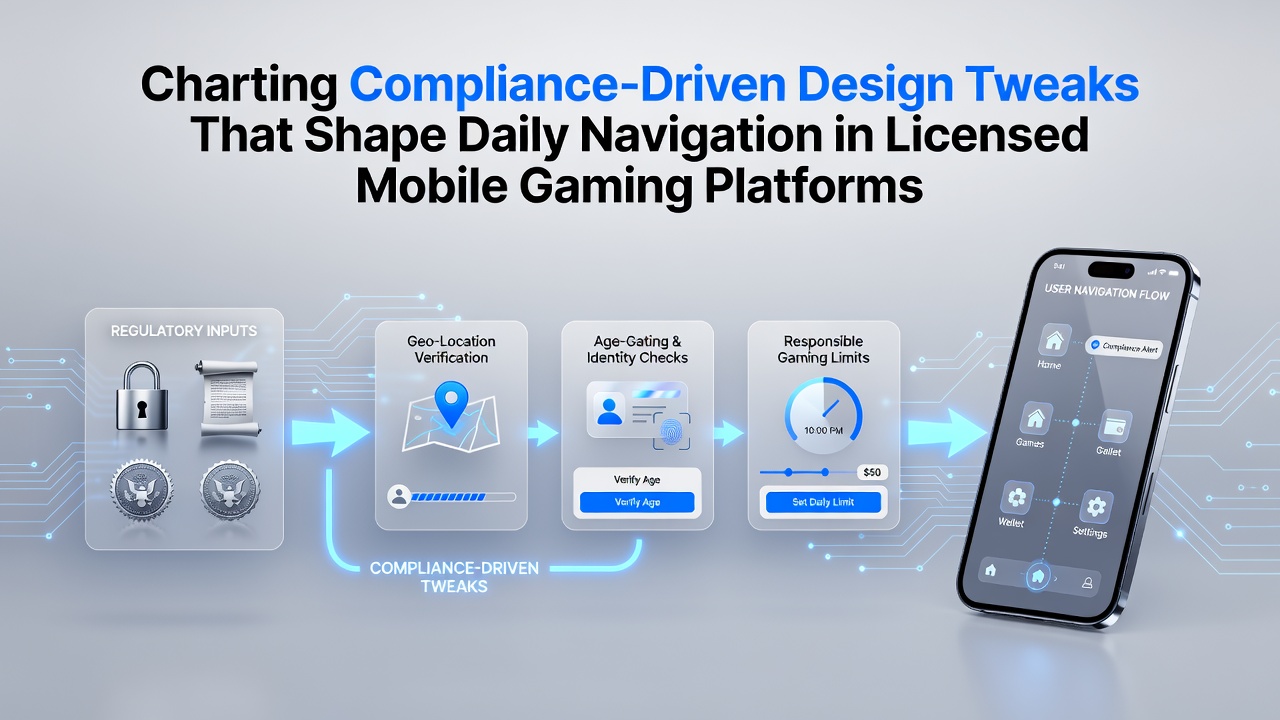
Regulatory frameworks across multiple jurisdictions continue to dictate precise adjustments to how users move through licensed mobile gaming applications, with developers embedding verification steps, limit-setting tools, and activity monitors directly into core navigation paths. These changes emerge from requirements that prioritize user protection protocols while maintaining seamless access to game libraries and account functions. Data from industry analyses show that platforms operating under strict licensing regimes have restructured menu hierarchies to place compliance features at prominent touchpoints rather than burying them in submenus.
Verification Layers Integrated Into Initial App Flows
Age verification and identity checks now occupy the first screens users encounter upon launch in many certified applications, a direct response to mandates that prohibit any gameplay before confirmation occurs. Observers note that developers have shifted these processes from optional pop-ups to mandatory gateways that users must complete before reaching lobby areas or deposit sections. In practice this means a player opens the app and immediately faces a sequence of screens for document upload or biometric confirmation, after which the interface unlocks remaining navigation options. Research indicates such front-loaded designs reduce instances of unauthorized access while guiding users toward compliant pathways from the outset.
Session Management Tools Placed in Persistent Navigation Bars
Design teams have added session timers and reality-check prompts to bottom or side navigation bars that remain visible during active play, ensuring players encounter these elements without needing to exit game screens. Figures from platform audits reveal that applications updated after mid-2025 regulatory reviews now display elapsed time counters alongside standard controls for bets and spins. Those who've studied interface patterns report that users interact more frequently with these tools when they appear in the same visual field as core gameplay elements rather than requiring separate menu access. And this placement aligns with rules that demand continuous visibility of time-tracking features throughout user sessions.
Deposit and spend limit selectors have similarly migrated into quick-access panels that expand from main navigation icons, allowing adjustments without leaving the current game view. Studies from academic sources on digital interface usability highlight how such integration encourages regular limit reviews as part of normal navigation habits.
Regional Variations in Menu Restructuring During August 2026
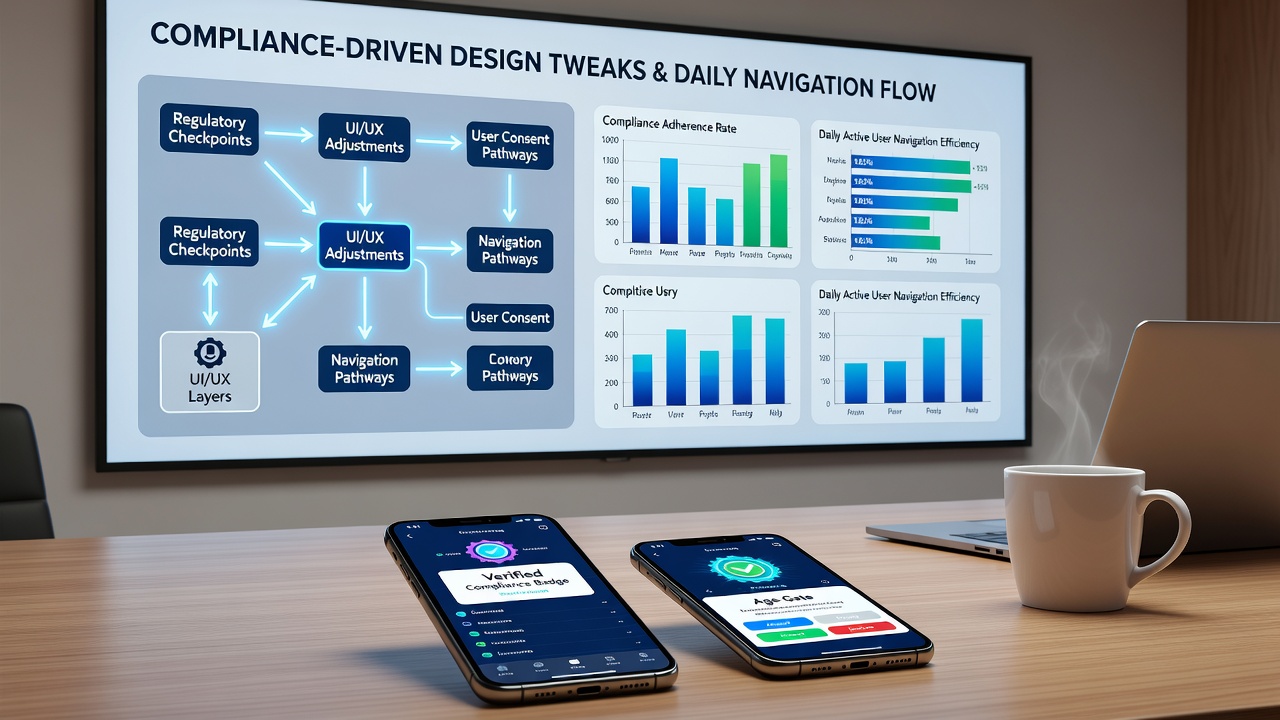
Updates rolled out in August 2026 across certain North American and European markets introduced standardized icons for self-exclusion options directly within account dashboards, prompted by coordinated reviews from bodies including the Nevada Gaming Control Board. These icons link to external registries while keeping users inside the app environment, a tweak that streamlines transitions between gaming activity and exclusion requests. Meanwhile platforms licensed in Australian jurisdictions incorporated geo-fencing indicators into top navigation bars to signal location-based access rules, reflecting requirements from state regulatory offices. Data compiled by the American Gaming Association shows measurable shifts in how players traverse these redesigned menus, with average time to reach limit tools dropping after implementation.
Impact on Daily User Pathways and Feature Accessibility
Users navigating compliant applications now follow routes that interweave entertainment options with protective checkpoints at predictable intervals, a structure that emerges from licensing conditions requiring balanced presentation of features. Researchers have documented how repeated exposure to these embedded elements alters habitual movement patterns, leading players to check balances or adjust settings during natural pauses between games. What's notable is that developers achieve this without adding extra clicks by repurposing existing swipe gestures and tab structures to surface compliance data. Reports from the Australian Gambling Research Centre indicate that such optimizations maintain engagement levels while satisfying oversight criteria across different device types.
Further refinements include color-coded alerts for nearing limits that appear within the primary navigation rail, directing attention without interrupting core play sequences. Observers tracking these evolutions note consistent application across iOS and Android builds to meet uniform standards set by licensing authorities.
Conclusion
Compliance requirements continue to drive targeted redesigns that embed protective mechanisms into the everyday navigation of licensed mobile gaming platforms, producing interfaces where verification, monitoring, and limit functions occupy central positions in user flows. These adjustments, documented through platform data and regulatory filings up to August 2026, reflect ongoing efforts by developers to align application architecture with licensing obligations across varied regions. The result is a navigation experience shaped as much by regulatory precision as by user interface conventions.