Shifting Sands: How UK Casino App Interfaces Evolve With Player Behavior Patterns
Written by Sam Jung · Jun 28, 2026
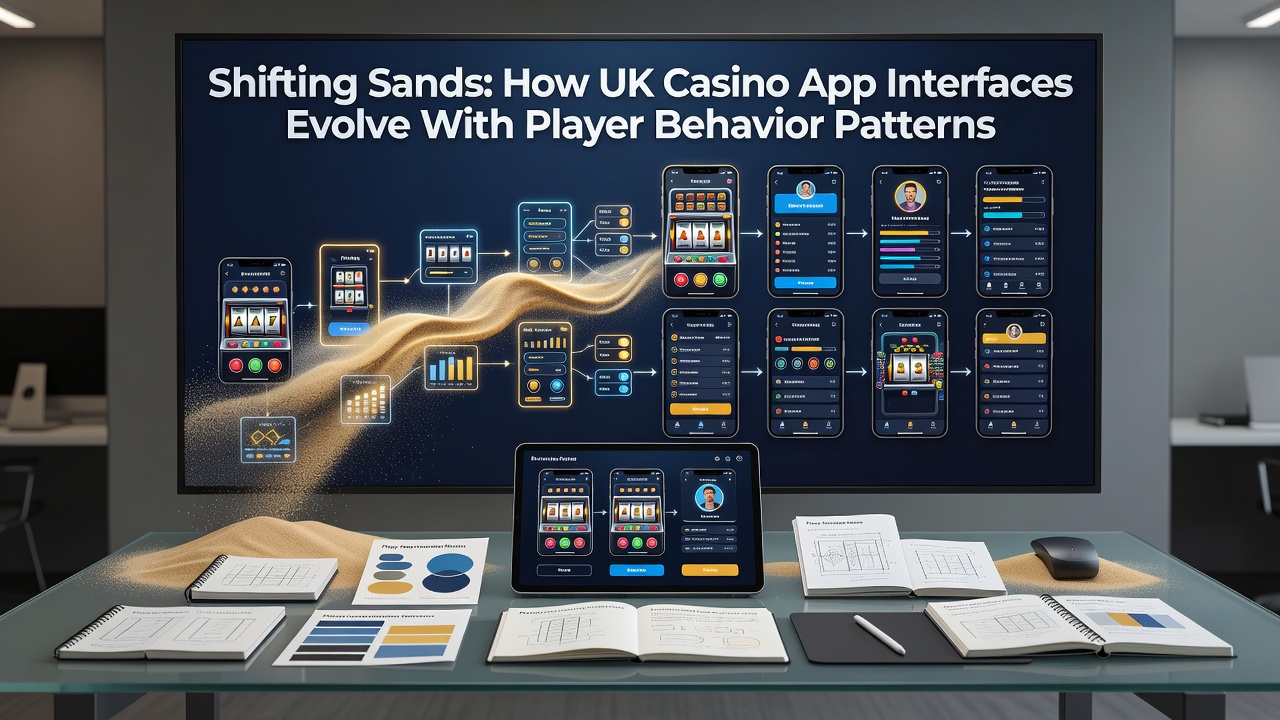
Shifting Sands: How UK Casino App Interfaces Evolve With Player Behavior Patterns
UK casino app interfaces continue to adjust in response to shifting player behavior patterns, with developers tracking session durations, game preferences, and navigation habits to refine layouts and features. Data from industry reports indicates that mobile users in Britain spend an average of 22 minutes per session on gaming platforms during peak evening hours, prompting changes in how menus and quick-access buttons appear on screen. Observers note that these adjustments often occur through iterative updates rather than complete redesigns, allowing platforms to maintain familiarity while incorporating new elements based on aggregated user metrics.
Tracking Behavioral Signals Across Sessions
Developers collect information on swipe patterns, time spent in specific game categories, and exit points from sessions to identify trends that influence interface modifications. Research from the International Gaming Institute at the University of Nevada highlights how similar data collection methods in other regions reveal preferences for streamlined deposit flows during short play periods, leading UK apps to prioritize prominent payment icons in initial screens. And while individual accounts remain private, collective patterns show that players who engage with slot titles for under ten minutes favor simplified reward trackers over detailed progress histories.
These signals feed into algorithms that reposition elements such as bonus notifications or leaderboard displays, ensuring they align with observed activity peaks. Figures from European gaming analyses reveal that June 2026 updates across several platforms incorporated heat-map data from the prior quarter, resulting in condensed navigation bars for users who frequently switch between live dealer tables and slot selections.
Adaptive Layouts and Real-Time Adjustments
Interfaces now respond to detected behavior through conditional rendering, where screens alter based on whether a user exhibits exploratory browsing or targeted game selection. One study from the Australian Gambling Research Centre found comparable adaptations in regional apps, where prolonged scrolling triggered expanded category filters to reduce decision fatigue. UK platforms apply similar logic, expanding or collapsing side panels according to session length data collected in real time.
What's interesting is how these changes integrate with accessibility options, such as adjustable font sizes that activate after repeated zoom gestures. Developers test variations through controlled rollouts, measuring engagement metrics before full deployment to ensure consistency across devices. Players who return daily often encounter progressively customized home screens that surface previously played titles in prominent positions, while new users receive broader introductory carousels.
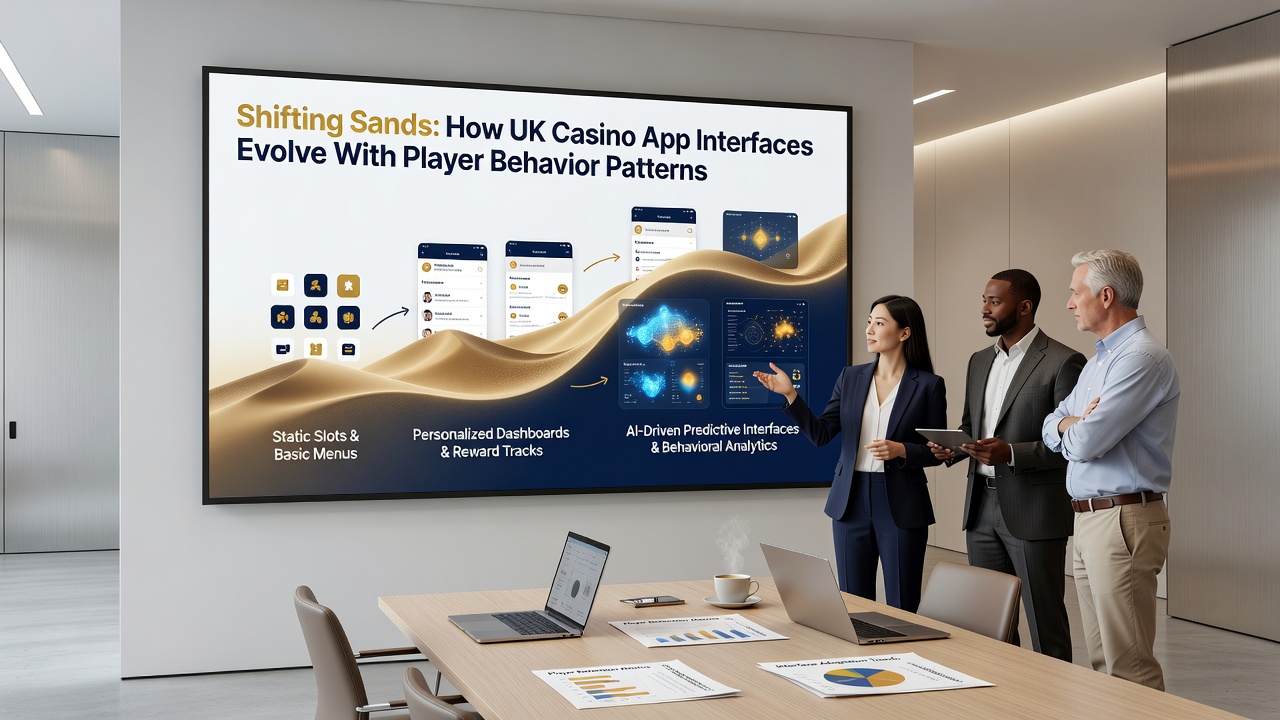
Integration of Feedback Loops in Design Cycles
Regular updates incorporate findings from user interaction logs, allowing teams to refine button placements and animation timings that correlate with higher retention rates. According to data compiled by the National Council on Problem Gambling in the United States, patterns of repeated short sessions correlate with interfaces that emphasize quick-load features and minimal onboarding steps. UK app teams apply parallel insights to streamline tutorial sequences for returning accounts that show low engagement with introductory content.
Multi-clause adjustments appear frequently, as developers combine elements like progress indicators with social sharing prompts when logs indicate that players who complete challenges also interact with community tabs. This approach maintains flow across different play styles without requiring separate versions for each demographic segment.
Emerging Patterns in June 2026 Data
Recent metrics compiled through June 2026 show increased emphasis on evening wind-down features, such as muted notification styles and simplified cash-out paths for users whose activity clusters between 8 pm and midnight. Those who've analyzed cross-platform comparisons note that these tweaks coincide with broader shifts toward vertical scrolling interfaces that accommodate one-handed use during commutes or relaxation periods. Research indicates that apps incorporating gesture-based shortcuts see measurable upticks in session continuity when behavior logs reveal frequent interruptions.
Platforms continue to monitor transitions between game types, adjusting tab orders so that popular categories remain within thumb reach based on aggregate movement data. External analyses from bodies like the Canadian Centre on Substance Use and Addiction provide context on how interface simplicity influences continued engagement across various entertainment apps, informing parallel strategies in the gaming sector.
Conclusion
UK casino app interfaces evolve through systematic observation of player behavior patterns, resulting in layouts that adapt to session habits and navigation preferences without overhauling core structures. Continued refinement relies on aggregated metrics that guide incremental changes across payment flows, game discovery, and reward presentations. Observers expect these processes to incorporate additional variables as data collection methods advance, maintaining alignment between user actions and visual design elements.