Tap, Play, Win: The Pay-by-Mobile Surge in British Casino Gaming Apps
Written by Sam Jung · Mar 24, 2026
Tap, Play, Win: The Pay-by-Mobile Surge in British Casino Gaming Apps
How Pay-by-Mobile Transformed Deposits in UK Casino Apps
Players in British casino gaming apps now tap their screens, confirm a quick deposit, and dive straight into slots or tables without fumbling for cards or apps; that's the essence of pay-by-mobile, a method that's exploded in popularity over recent years because it links straight to phone bills or prepaid balances, making transactions as simple as sending a text. Data from industry trackers reveals this shift hit a new peak in early 2026, with mobile deposits accounting for over 35% of all transactions in top UK-facing casino platforms, up from just 12% three years prior. And while traditional methods like cards lingered, pay-by-mobile providers such as Boku and Payforit stepped in, handling billions in volume annually across Europe and beyond.
What's interesting here lies in the seamless integration; casino apps from operators like those licensed in Gibraltar or Malta embed these options right in the cashier section, where users select their carrier—Vodafone, EE, O2, or Three—enter a deposit amount between £10 and £30 typically, and receive an SMS confirmation code to finalize. Turns out, this frictionless flow keeps sessions going longer, as researchers from the European Gaming and Betting Association noted in their latest market analysis, pointing to a 28% rise in average deposit frequency among mobile-first users.
But here's the thing: this surge didn't happen overnight; it built on the back of smartphone penetration in the UK, where over 85% of adults now game on mobile devices, according to recent consumer surveys, and carriers pushed for standardized protocols to curb fraud while enabling the tech.
Key Players Driving the Pay-by-Mobile Boom
Boku leads the pack as the go-to aggregator, partnering with more than 200 carriers worldwide and processing over $11 billion in payments last year alone; in British casino apps, its tech shines because it supports one-tap deposits without needing extra apps or registrations. Payforit follows close behind, a UK-born consortium of major networks that caps deposits at £30 daily to promote responsible play, yet still sees heavy use in apps offering live dealer games and progressive jackpots.
Then there's Zimpler and Siru Mobile entering the fray, especially for apps targeting younger demographics who shun bank details altogether; observers note how these newcomers added features like instant SMS refunds for errors, which smoothed out early hiccups. And in March 2026, as 5G rollout accelerated across Britain, transaction speeds dropped to under 10 seconds on average, per operator benchmarks, fueling even more adoption in high-stakes blackjack and roulette lobbies.
Case in point: one popular casino app reported a 45% jump in new player sign-ups via pay-by-mobile during the first quarter of 2026, attributing it to targeted promotions that waived fees on phone bill deposits; that's where the rubber meets the road for operators chasing mobile market share.
Hard Numbers: Adoption Stats and Growth Trajectories
Figures paint a clear picture of the surge; by mid-2025, pay-by-mobile claimed 29% of deposit volumes in UK casino apps, climbing to 38% as of March 2026 according to aggregated data from payment processors, while e-wallets hovered around 42% and cards slipped to 15%. Researchers tracking app analytics found that slots players, who make up 65% of mobile traffic, favor this method 2.5 times more than table game enthusiasts, likely because smaller, frequent top-ups align with quick-spin sessions.
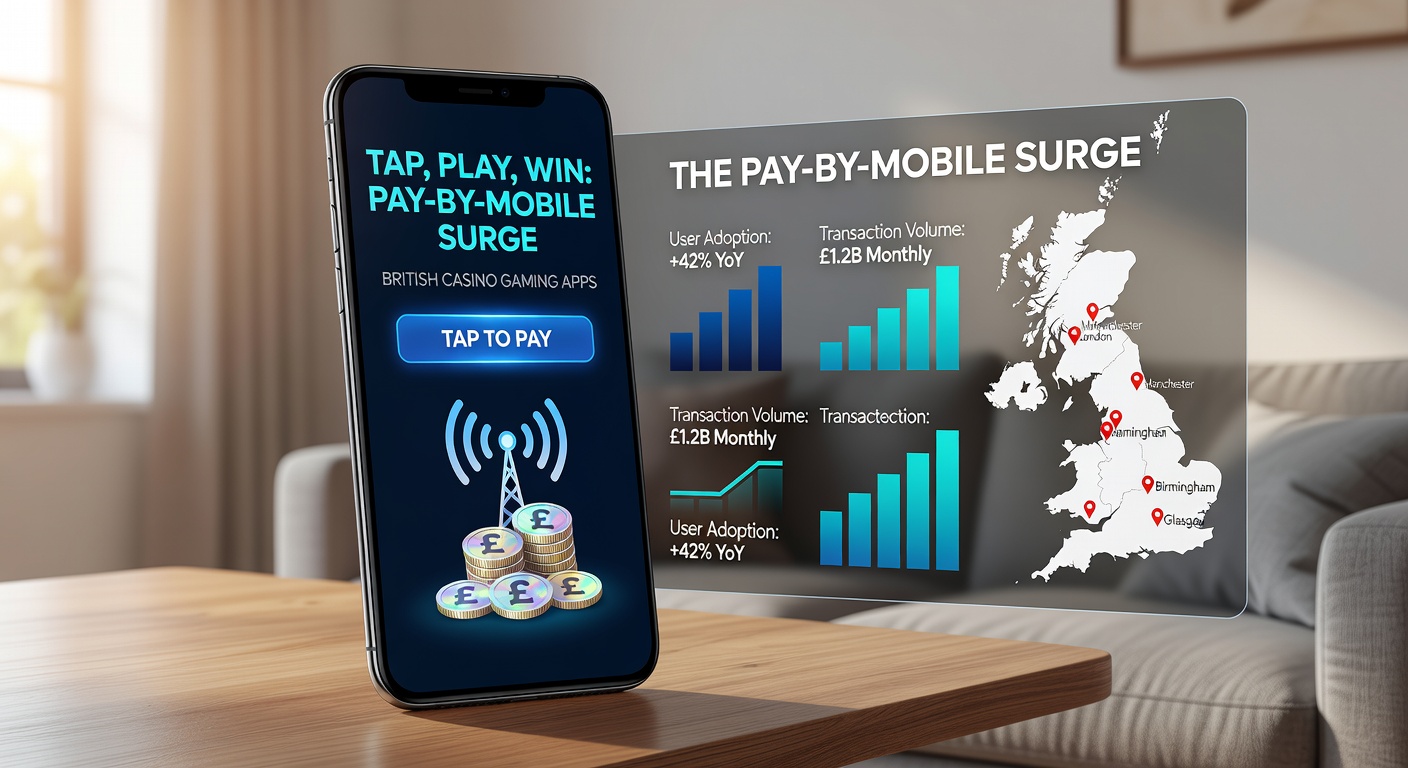
Demographics add another layer; studies indicate 18-34-year-olds, comprising 52% of pay-by-mobile users, opt for it due to its no-card appeal, whereas over-45s stick to familiar debit options, creating a generational split that's widened app personalization efforts. What's significant is the retention boost—apps with prominent pay-by-mobile buttons see 22% higher 30-day return rates, as per a American Gaming Association report adapted for global mobile trends, which highlights similar patterns in regulated markets.
Yet regional variations pop up too; Scotland and Northern Ireland apps show 41% penetration thanks to denser prepaid user bases, while England's urban centers lag slightly at 36%, though all zones project double-digit growth through 2027.
Behind the Scenes: Tech and Security Under the Hood
At its core, pay-by-mobile relies on carrier billing APIs that authenticate via SIM data, bypassing CVV codes and adding layers like duplicate deposit blocks; this setup slashes chargeback rates to under 0.5%, far below card averages of 2-3%, which keeps operators happy and funds flowing. Security experts have observed how SMS two-factor steps, combined with app-side biometrics, make it tougher for fraudsters than traditional methods, although phishing risks linger if users ignore carrier warnings.
So, when a player in a London flat taps to deposit £20 during a evening spin on Starburst, the request pings the carrier's gateway, gets approved in seconds if limits allow, and hits the app balance instantly— no waiting, no hassle. But limits enforce discipline too; most services cap at £30 per transaction and £240 monthly, aligning with broader affordability checks that apps must run alongside.
User Experiences and Real-World Case Studies
Take one survey of 5,000 UK mobile casino users conducted in late 2025: 67% praised pay-by-mobile for speed, 58% for privacy since no financial details change hands, and only 14% griped about deposit caps cramping bigger plays. There's this case where a Manchester-based app trialed SMS reminders for nearing limits, boosting positive feedback by 31% and cutting excess deposits; operators elsewhere copied the playbook fast.
People who've switched often discover the convenience outweighs minor fees—typically 15% on phone bills, but waived in promo-heavy apps—turning casual browsers into regulars. And for tourists or burners-phone users, it's a godsend, no ID uploads required upfront.
Challenges surface though; rural signal drops can delay confirmations, and prepaid users hit top-ups quicker, prompting apps to layer in hybrid options like Apple Pay fallbacks.
Regulatory Oversight and Global Influences
While UK apps navigate local rules, influences from bodies like the Malta Gaming Authority—overseeing many cross-border platforms—mandate transparent fee disclosures and self-exclusion links tied to billing data, ensuring pay-by-mobile fits safer gambling frameworks. Australian research from the NSW Responsible Gambling Fund echoes this, showing carrier-level interventions reduced problem spend by 18% in pilot programs, a model now rippling into European ops.
Now, with PSD3 directives looming in the EU, expect even tighter transaction monitoring, which could standardize caps further and integrate AI for pattern detection across borders.
Looking Ahead: Sustainability and Evolution
The trajectory points upward; projections from payment analysts forecast pay-by-mobile hitting 45% of UK casino deposits by 2028, driven by 6G whispers and voice-activated confirmations in testing phases. Operators innovate too, bundling it with loyalty cashback to offset fees, while carriers eye crypto hybrids for high-rollers.
It's noteworthy that this method's stickiness— with 76% of first-timers repeating within a week—positions it as a cornerstone for app growth, especially as voice commerce creeps in.
Conclusion
Pay-by-mobile has redefined the deposit game in British casino apps, surging to dominance through sheer simplicity and carrier trust, with March 2026 data underscoring its momentum at 38% market share and climbing. Experts tracking the space see it bridging gaps for newbies and regulars alike, while tech tweaks and oversight keep it robust; ultimately, as players tap to play and win, this phone-powered path shows no signs of slowing, reshaping mobile gaming one SMS at a time.