The Silent Shift: How Adaptive Bonus Algorithms Reshape Spending Patterns on Regulated Smartphone Gambling Platforms
Written by Sam Jung · May 22, 2026
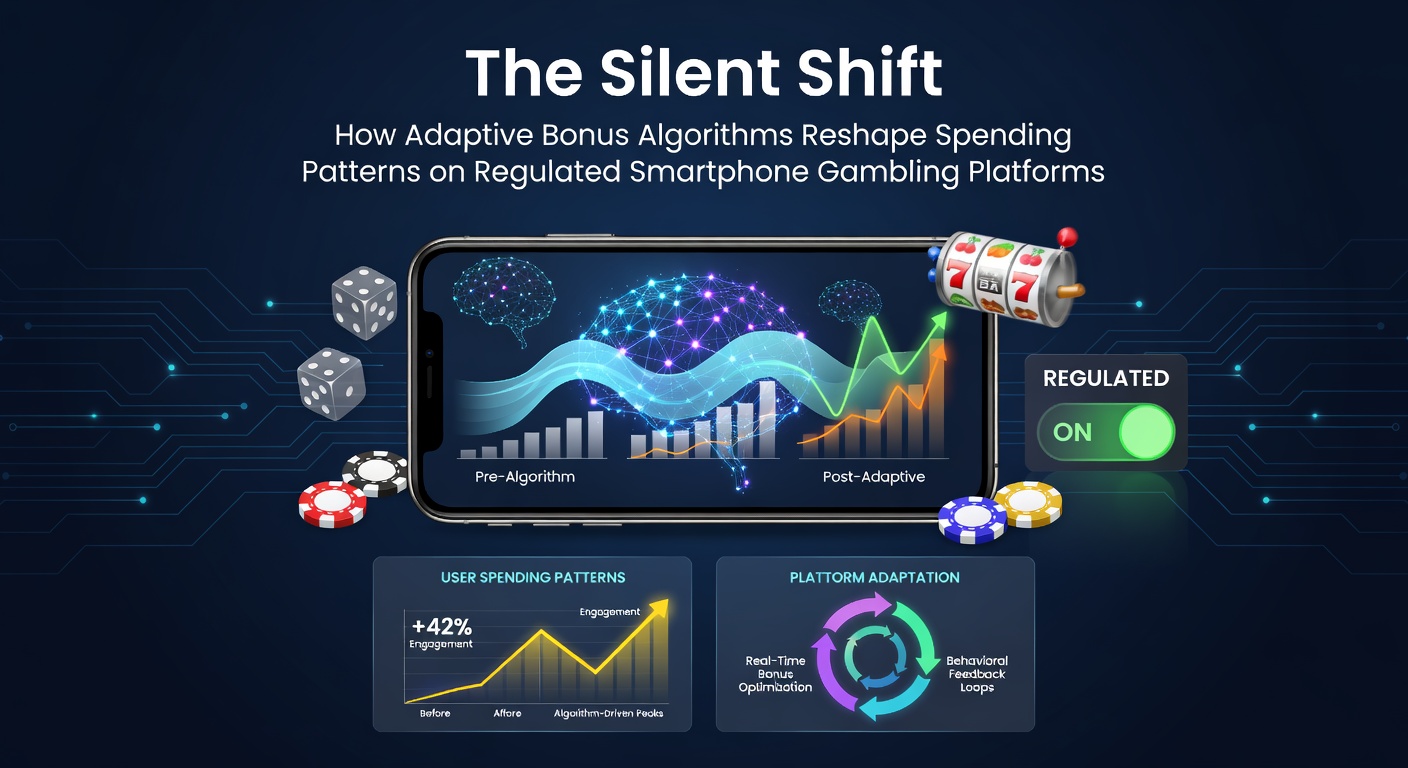
The Silent Shift: How Adaptive Bonus Algorithms Reshape Spending Patterns on Regulated Smartphone Gambling Platforms
Regulated smartphone gambling platforms have integrated adaptive bonus algorithms that analyze user data in real time to adjust reward offers, and these systems influence deposit frequency along with session duration across multiple jurisdictions. Developers build these tools on machine learning models that process gameplay history, time spent on specific titles, and response rates to previous promotions, while platforms in places such as New Jersey and several Australian states operate under licensing rules that require transparency around algorithmic personalization.How Adaptive Systems Operate in Practice
Platforms collect telemetry from every tap and swipe, then feed those signals into models that predict optimal bonus timing for each account. When a player shows signs of reduced activity after a certain number of spins, the algorithm may surface a tailored deposit match that expires within hours, and this approach connects directly to observed increases in average transaction values according to figures released by the Canadian Centre for Gambling Research. Operators test multiple variants simultaneously through A/B frameworks, yet they maintain audit trails that regulators can review to confirm compliance with fairness standards.
Bonus structures evolve session by session rather than remaining static, so a user who deposits after receiving a free spin offer might next encounter a cashback multiplier calculated from that same deposit size. Researchers at the University of Sydney’s Gambling Research Unit documented similar patterns in longitudinal app data, noting that spending curves steepen once algorithms begin responding to individual loss-chasing signals with immediate counter-offers.
Observed Changes in Player Expenditure
Transaction logs from major operators reveal that accounts exposed to dynamic bonuses record higher cumulative deposits over thirty-day windows compared with control groups that receive fixed promotions. The shift appears most pronounced among users who engage with multiple game categories in a single session, because the algorithm can cross-reference behavior across slots, table games, and live dealer feeds to craft offers that bridge those activities. Observers note that total handle rises without corresponding growth in session count, suggesting players concentrate larger amounts into fewer but more heavily incentivized visits.
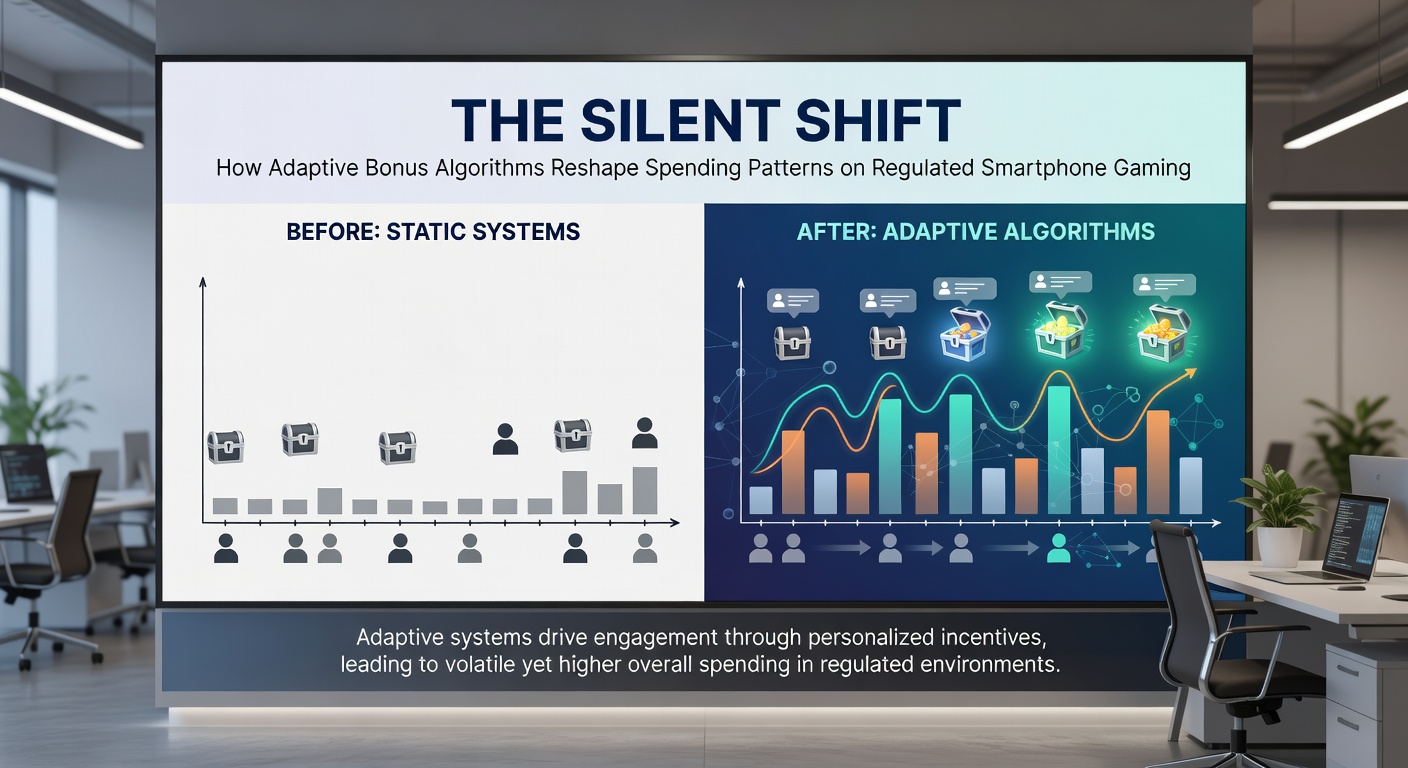
Deposit timing also compresses around bonus windows, with many users completing transfers within minutes of receiving a personalized push notification. This compression shows up clearly in hourly volume metrics that platforms share with oversight bodies in licensed markets. While average bet size per round stays relatively stable, the frequency of rounds per funded session climbs, producing the net lift in expenditure that operators attribute to algorithmic targeting rather than changes in game mathematics.
Integration with Responsible Gambling Tools
Regulated environments require that adaptive systems incorporate hard stops tied to deposit limits, reality checks, and self-exclusion flags, and developers embed these constraints directly into the decision engine so that bonus offers cease once a player reaches a pre-set threshold. In May 2026 several platforms updated their dashboards to display the logic behind each personalized reward, allowing users to see why a particular offer appeared at that moment. Such disclosures aim to maintain informed consent while still delivering the engagement benefits that keep regulated apps competitive with offshore alternatives.
Third-party auditors periodically review the models to confirm they do not exploit vulnerability markers, and reports from these audits feed into licensing renewal processes in multiple regions. The result is a narrower operating band than exists in unregulated spaces, yet one that still permits meaningful experimentation with reward timing and sizing.
Market Data and Cross-Platform Comparisons
Industry reports compiled in early 2026 indicate that smartphone sessions now account for more than seventy percent of total handle on regulated sites in North America and Australasia, and adaptive bonus features appear in nearly all top-downloaded apps within those markets. Platforms that delayed rollout of dynamic systems reported flatter revenue curves during the same period, while early adopters recorded steady month-over-month gains even as overall user acquisition costs rose. The pattern holds across both iOS and Android environments, although Android implementations sometimes include additional variables linked to device performance metrics that influence offer presentation speed.
Conclusion
Adaptive bonus algorithms continue to refine the relationship between reward delivery and spending behavior on regulated smartphone gambling platforms, and the resulting shifts manifest in measurable changes to deposit timing, session intensity, and overall handle. Licensed operators balance these tools against mandatory safeguards that limit potential harm, while ongoing research from independent centers supplies data that regulators use to adjust oversight requirements. As models incorporate additional signals from wearable devices and cross-app telemetry, the same core dynamic is expected to persist through the remainder of 2026 and beyond.