UK Minister Baroness Twycross Launches Illegal Gambling Taskforce Targeting Unlicensed Advertising
Written by Sam Jung · Jun 21, 2026

UK Minister Baroness Twycross Launches Illegal Gambling Taskforce Targeting Unlicensed Advertising
Baroness Twycross has placed the crackdown on illegal gambling advertising at the forefront of government efforts to safeguard the licensed market, a move that reflects ongoing concerns about unauthorized operators reaching UK audiences. She leads the newly formed Illegal Gambling Taskforce, which began consultations in June 2026 on several proposed measures including potential restrictions that would prevent English sports clubs from entering sponsorship deals with unlicensed gambling operators.
The taskforce operates as a dedicated unit within the broader regulatory framework, bringing together multiple agencies to coordinate responses to black-market activity that continues to draw players away from regulated platforms. Officials note that illegal advertising often appears across digital channels where enforcement has proven challenging, prompting this focused initiative to identify gaps and develop targeted interventions.
Formation and Scope of the Illegal Gambling Taskforce
Establishment of the taskforce marks a structured approach to addressing unlicensed operators who promote services without proper authorization under UK law. Baroness Twycross, in her role as Gambling Minister, directs the group toward advertising as the primary area of concern because such promotions frequently bypass existing safeguards designed to protect consumers. Consultations underway explore options that range from enhanced monitoring of sponsorship agreements to stricter rules on how sports entities interact with gambling brands operating outside licensed boundaries.
Those involved emphasize coordination across departments, with the taskforce examining how current laws apply to online promotions that reach British users from offshore locations. Data collected during the consultation phase will inform recommendations expected later in 2026, focusing on practical steps that reduce visibility of illegal offerings while supporting the integrity of the licensed sector.
Proposed Measures Under Review
Among the measures receiving attention, one centers on English sports clubs and their potential sponsorship relationships with operators lacking proper licensing. The taskforce reviews whether legislative or regulatory changes could limit such partnerships, thereby reducing the exposure unlicensed sites gain through association with popular teams and events. Additional proposals include tighter controls on advertising placements across social media and search platforms, areas where illegal operators have historically maintained a presence despite enforcement actions.
Consultation documents circulated to stakeholders highlight the need for clearer definitions around what constitutes illegal promotion, particularly when advertisements appear through third-party networks or affiliate arrangements. Participants in the process, including representatives from sports organizations and technology providers, contribute feedback on feasibility and potential impacts of each option under discussion.
Broader Regulatory Context
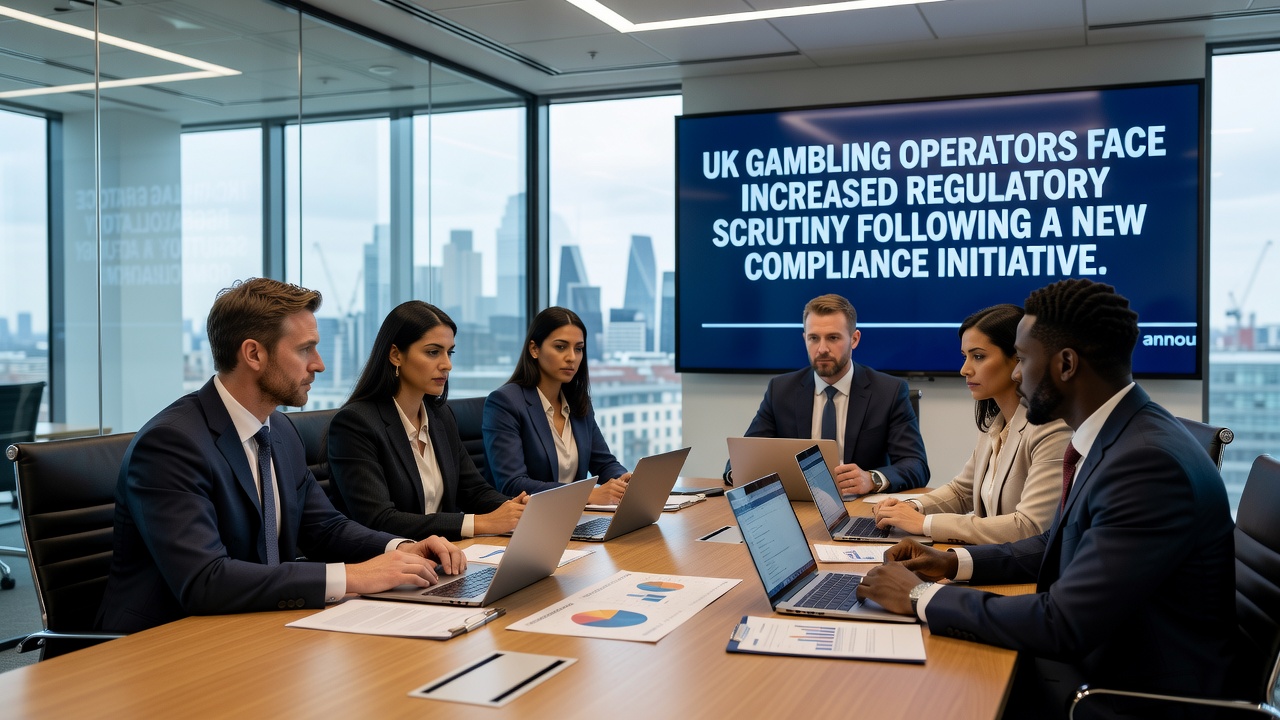
This development occurs alongside continued work by regulatory bodies to monitor and respond to black-market gambling activity across the UK. The taskforce builds on existing efforts by providing a dedicated channel for addressing advertising specifically, an element that often serves as the entry point for consumers encountering unlicensed sites. Reports from industry observers indicate that illegal operators frequently use sophisticated digital strategies to reach audiences, which complicates traditional enforcement methods.
According to National Council on Problem Gambling research on international regulatory approaches, coordinated taskforces have shown effectiveness in other jurisdictions when they combine policy review with practical enforcement tools. UK officials reference similar models while tailoring solutions to local market conditions and legal structures. The focus remains on protecting the licensed market by reducing the competitive advantage unlicensed operators gain through unchecked advertising.
Consultation Process and Stakeholder Input
During June 2026 the taskforce opened channels for input from sports clubs, advertising platforms, and consumer protection groups to gather perspectives on proposed restrictions. Meetings scheduled throughout the summer allow participants to present evidence on how sponsorship deals currently operate and what changes might achieve the stated goals without unintended consequences for legitimate operators. Baroness Twycross has stressed the importance of evidence-based recommendations that balance consumer protection with operational realities in both sports and gambling sectors.
Stakeholders examine case examples from previous enforcement actions, noting patterns in how illegal advertisements reach UK users despite existing rules. The consultation also considers technological solutions, such as improved detection systems that could flag non-compliant promotions more rapidly across digital networks. Outcomes from these discussions will shape the final set of measures presented for government consideration.
Conclusion
The Illegal Gambling Taskforce under Baroness Twycross represents a concentrated effort to address advertising by unlicensed operators, with consultations on sports club sponsorships forming a key component of the work. As the process continues through 2026, updates on specific recommendations and any resulting policy changes will provide further clarity on how these initiatives affect the broader regulatory landscape. The emphasis stays on coordinated action that supports the licensed market while limiting opportunities for illegal activity to reach UK audiences.